
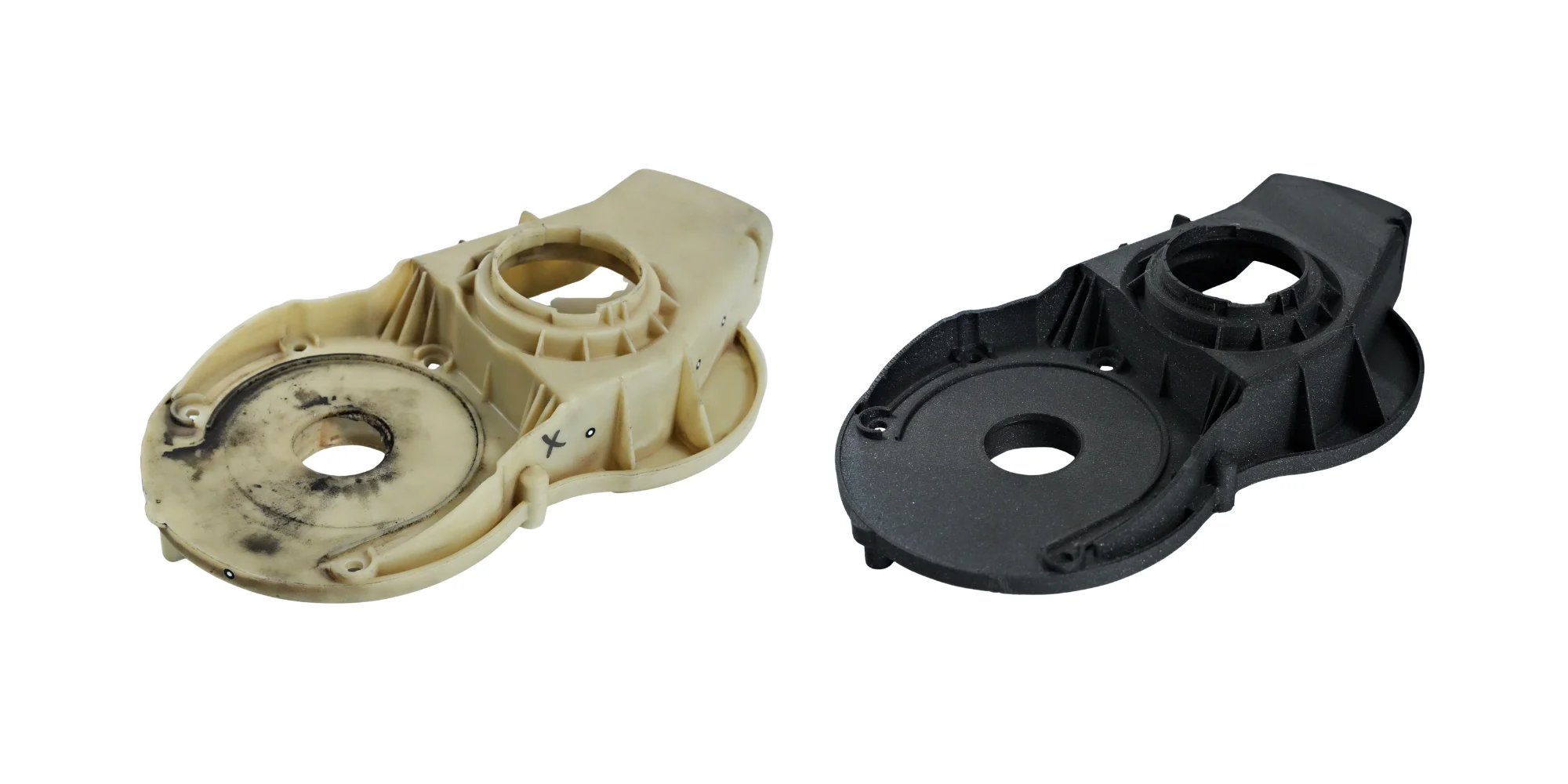
From prototype to functional product.

3D printing.

Using modern 3D printing technologies we produce accurate prototypes, functional components and demanding technical products. A wide choice of materials, including high-temperature polymers, means solutions can be made and tested quickly, even for demanding industrial applications.

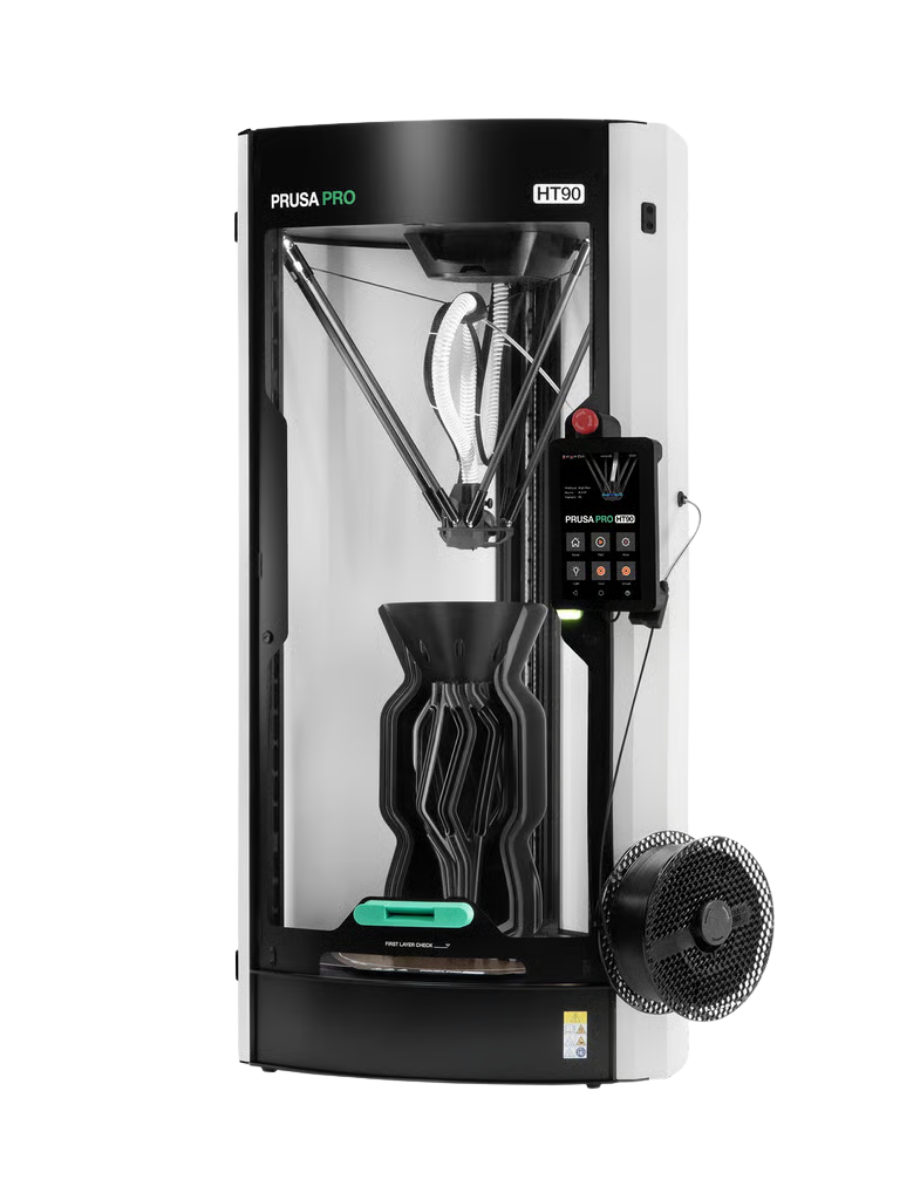
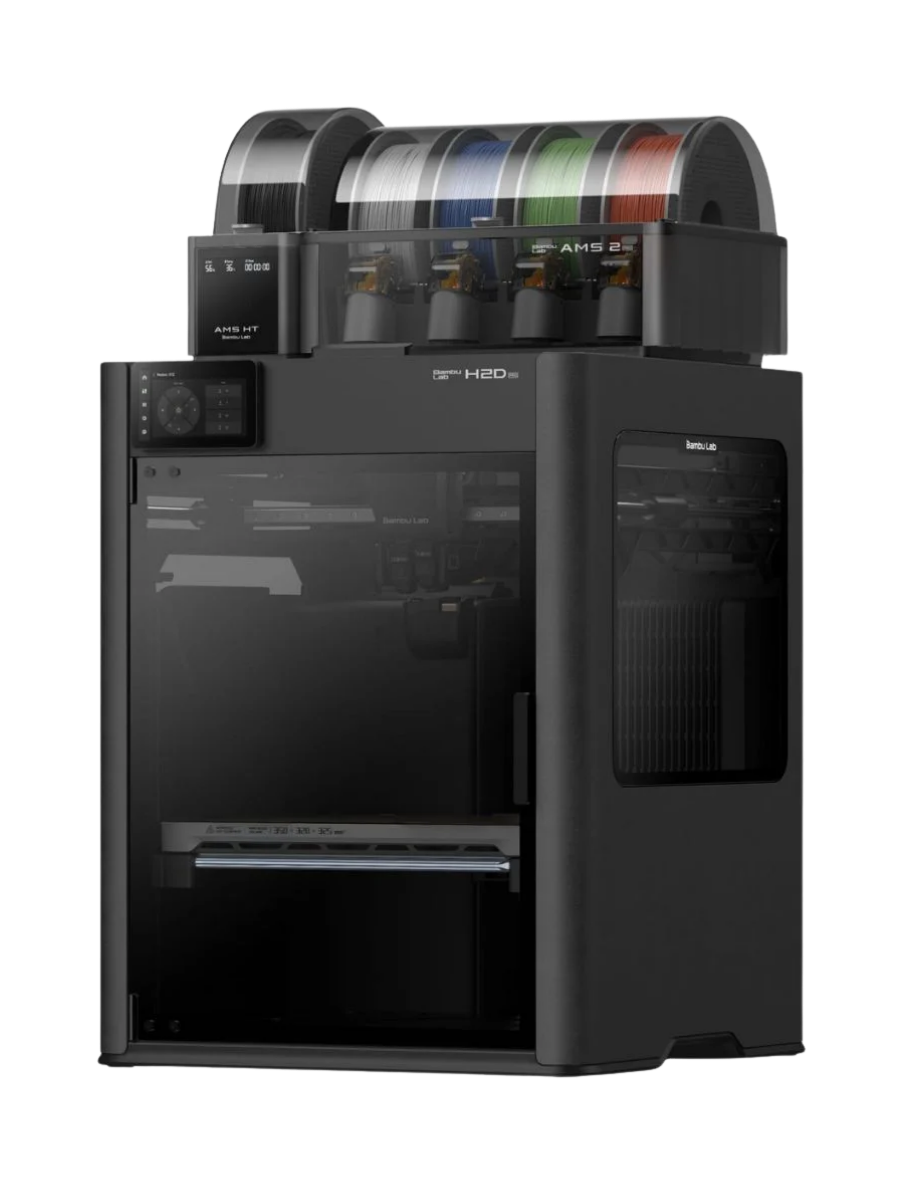
Prusa Pro HT90Bambu Lab H2D
Prusa Pro HT90 3D printer
Prusa Pro HT90
Bambu Lab H2D 3D printer
Bambu Lab H2D

What is 3D printing

Layer by layer. From model to component.

The printer melts filament and deposits it layer by layer until the 3D model becomes a physical part. No tooling and no mould, which makes it a fit for prototypes, one-offs and small series.

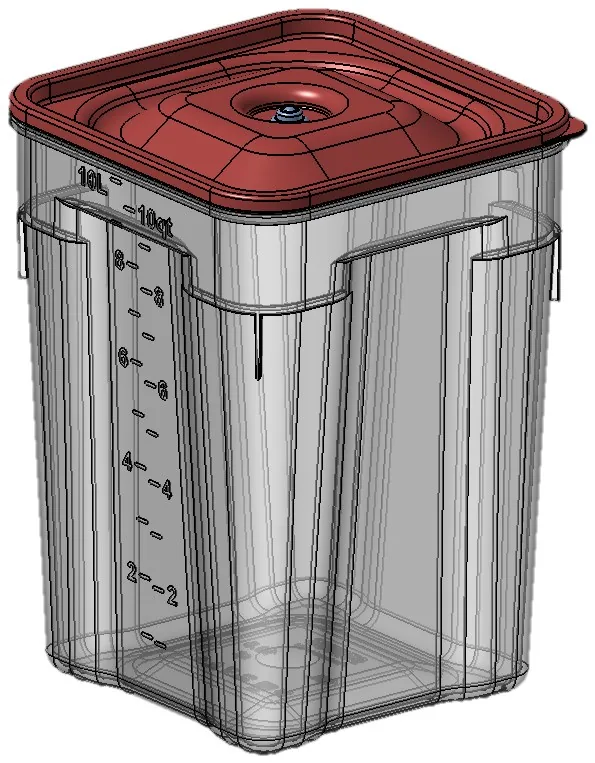
  1. CAD model of a component
    3D modelA CAD model from product development, or a model from a 3D scan of an existing component.
  2. The Prusa Pro HT90 3D printer at work
    PrintingWe choose the printer, material and settings for what the component has to do.
  3. A printed component
    ComponentA printed component, ready to test, assemble or use in production.

Printers

Two printers. Two jobs.

Prusa Pro HT90 for high-temperature engineering materials, Bambu Lab H2D for fast printing in two materials at once.

Prusa Pro HT90 3D printer
High temperature

Prusa Pro HT90

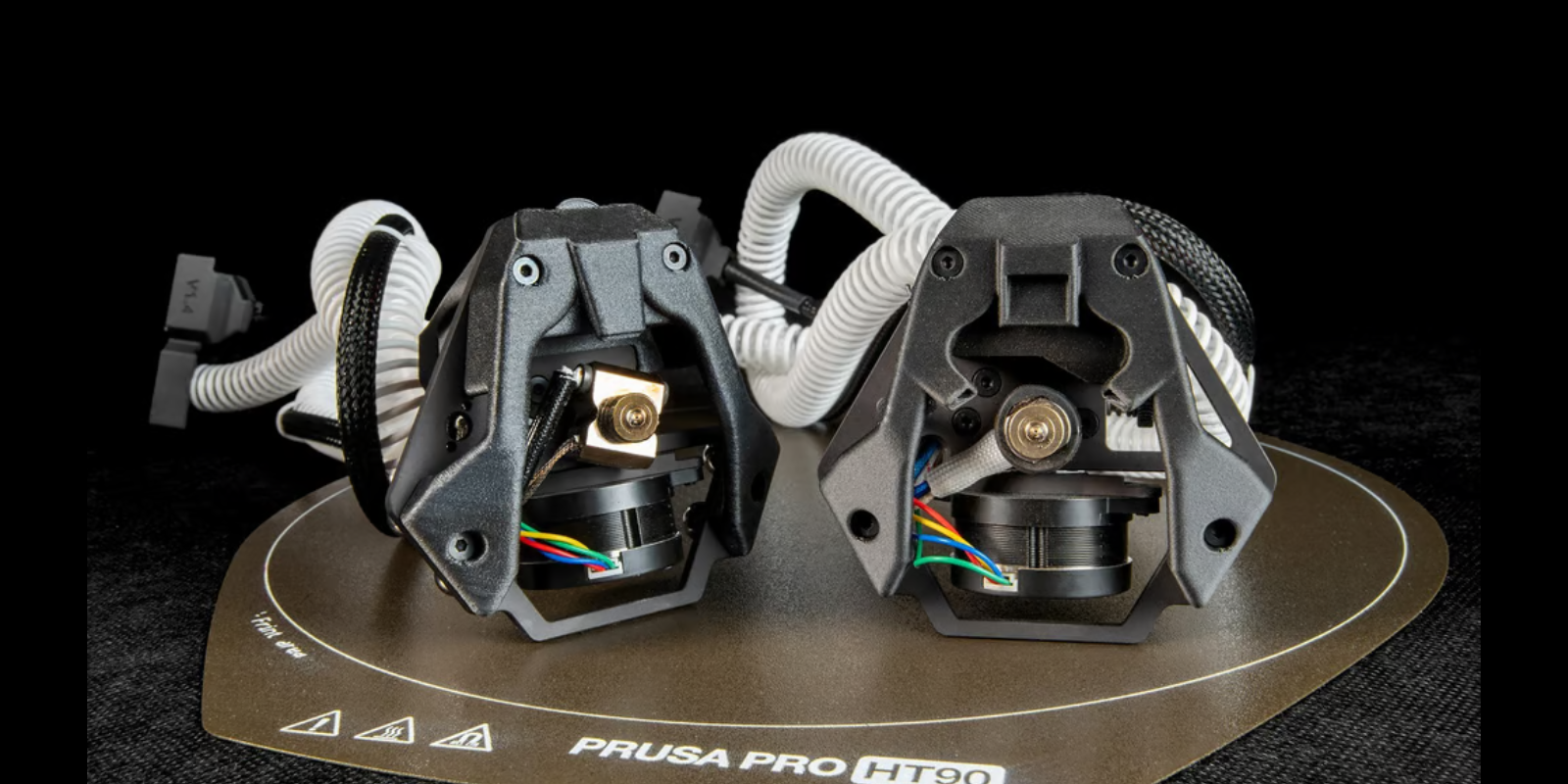
An industrial printer with a chamber heated to 90 °C and a print head up to 500 °C, for materials such as PEEK, PEKK and PEI (Ultem). Two quick-swap heads: High-Flow and High-Temp.

Ø 300 × 400 mmbuild volume
500 °Cnozzle (High-Temp)
90 °Cheated chamber
HEPA+ carbon filter
Bambu Lab H2D 3D printer
Dual nozzle

Bambu Lab H2D

A fast dual-nozzle printer: two materials or colours in one part, with one nozzle free for support material. Chamber heated to 65 °C and nozzles to 350 °C for engineering materials, including carbon-fibre filled ones.

350 × 320 × 325 mmbuild volume (combined)
2 × 350 °Cdual nozzle
65 °Cheated chamber
1000 mm/smax toolhead speed

Comparison

The right technology for every challenge.

Prusa Pro HT90Bambu Lab H2D
Build volumeØ 300 × 400 mm (cylinder)350 × 320 × 325 mm (both nozzles combined)
NozzleUp to 300 °C (High-Flow) / up to 500 °C (High-Temp)Two hardened-steel nozzles, up to 350 °C
ChamberActively heated to 90 °CActively heated to 65 °C
BedUp to 155 °CUp to 120 °C
SpeedPrinting up to 250 mm/s, 20,000 mm/s² accelerationToolhead up to 1000 mm/s, 20,000 mm/s² acceleration
HighlightHigh-temperature materials (PEEK, PEKK, PEI)Two materials in one component, soluble support

Data per manufacturer documentation from Prusa Research and Bambu Lab.

Materials

From PLA to PEEK.

We choose the material for what the component has to withstand: heat, load, chemicals or wear.

Everyday

Both printers

For prototypes, housings, fixtures and models. Easy to print, affordable and available in many colours.

  • PLA
  • PETG
  • TPU
  • ABS
  • ASA

Engineering

Both printers

For loaded functional components: higher strength, toughness and heat resistance, and with carbon fibre (CF) higher stiffness too.

  • PA
  • PC
  • PA-CF
  • PC-CF
  • PPS
  • PPA-CF

High-temperature

Prusa Pro HT90

For components in demanding environments: high temperatures, chemicals and mechanical loads.

  • PEEK
  • PEKK
  • PEI (Ultem)
  • PPSU
  • PSU
  • PES

Areas of use

From prototypes to functional components.

3D printed prototypes

Prototypes

Check form, fit and function before any tooling is ordered.

3D printed jigs and fixtures

Jigs and fixtures

Fixtures, gauges and grippers for production and automation.

3D printed replacement components

Replacement components

A component without drawings is 3D scanned, rebuilt in CAD and printed.

FAQ

Questions we hear often.

Which printer is right for my component?

For parts that must withstand high temperatures or demanding environments (PEEK, PEKK, PEI), the Prusa Pro HT90 is the one. For fast printing, two materials in one part or soluble support, the Bambu Lab H2D fits better. Send us your model and we will suggest the best choice.

How big can a printed component be?

Up to Ø 300 × 400 mm on the Prusa Pro HT90 and up to 350 × 320 × 325 mm on the Bambu Lab H2D. Larger parts can be split into several pieces and assembled.

Can you print a component I have no drawing for?

Yes. The component is 3D scanned, a CAD model is built from the scan and then printed.

Which files do you need?

Ideally a CAD model (STEP) or a mesh (STL, 3MF). If you have no model, we prepare one in product development.

Let’s print your component.

Send us a model or a description of the component. We suggest the printer and material and prepare a quote.